
If you’ve ever dreamt of owning property in the vibrant city of Dubai and wondered if it could lead to residency, you’re not alone. Dubai, with its futuristic skyline and dynamic lifestyle, attracts people worldwide.
The prospect of calling this city home is undoubtedly exciting. Still, it’s essential to understand the ins and outs of buying property in Dubai and how it might relate to residency.
In this blog, we’ll break down the vital aspects, answering the common question: Can I buy property in Dubai and get residency? Let’s explore this journey together in simple terms.
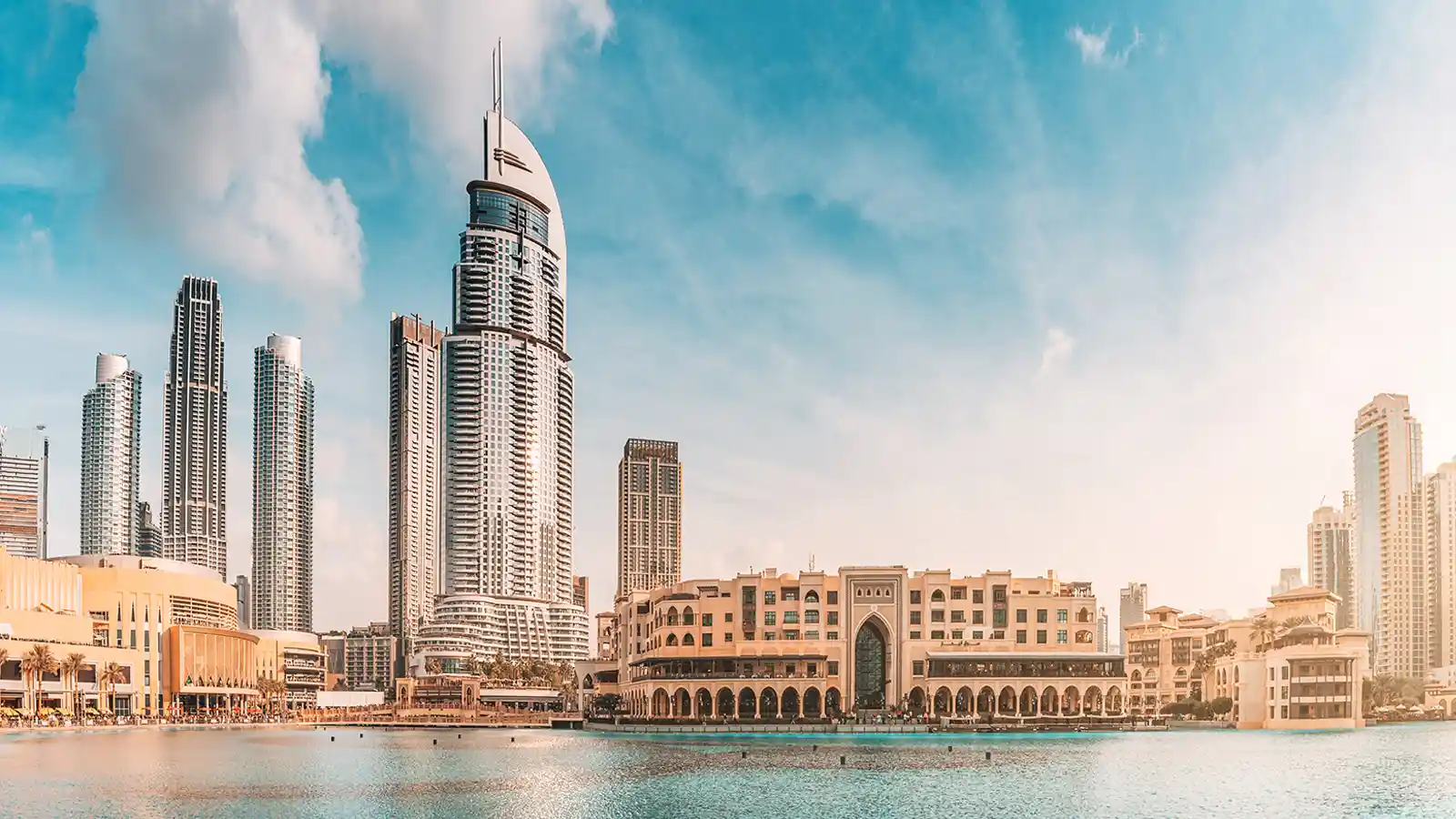
In 2002, Dubai opened its doors to immigrants for property ownership, sparking interest in obtaining residency through real estate.
Buying property is one of the best ways to secure residency without relying on sponsors. In 2019, local authorities enhanced visa terms, extending residency periods, introducing new visa types, and simplifying conditions.
Presently, three residency options are linked to property ownership:
The core requirement for obtaining these visas is the property value. The minimum values for each visa type are as follows:

Recent changes allow the purchase of up to three property units to meet the required total value, providing flexibility in combinations.
Sole ownership is preferable, but joint ownership with a spouse or others is acceptable if the individual share meets the minimum.
The ability to finance a real estate purchase depends on the visa type. While a three-year investor visa allows mortgage schemes, a five-year investor visa prohibits financing.
Since 2019, visas can be obtained for residential or commercial units, including flats, villas, offices, hotel rooms, and warehouses. The property must be in Dubai’s freehold areas and ready for occupancy.
A two-year investor visa requires a monthly income of at least AED 10,000. The monthly income for a five-year retirement visa should be at least AED 20,000.
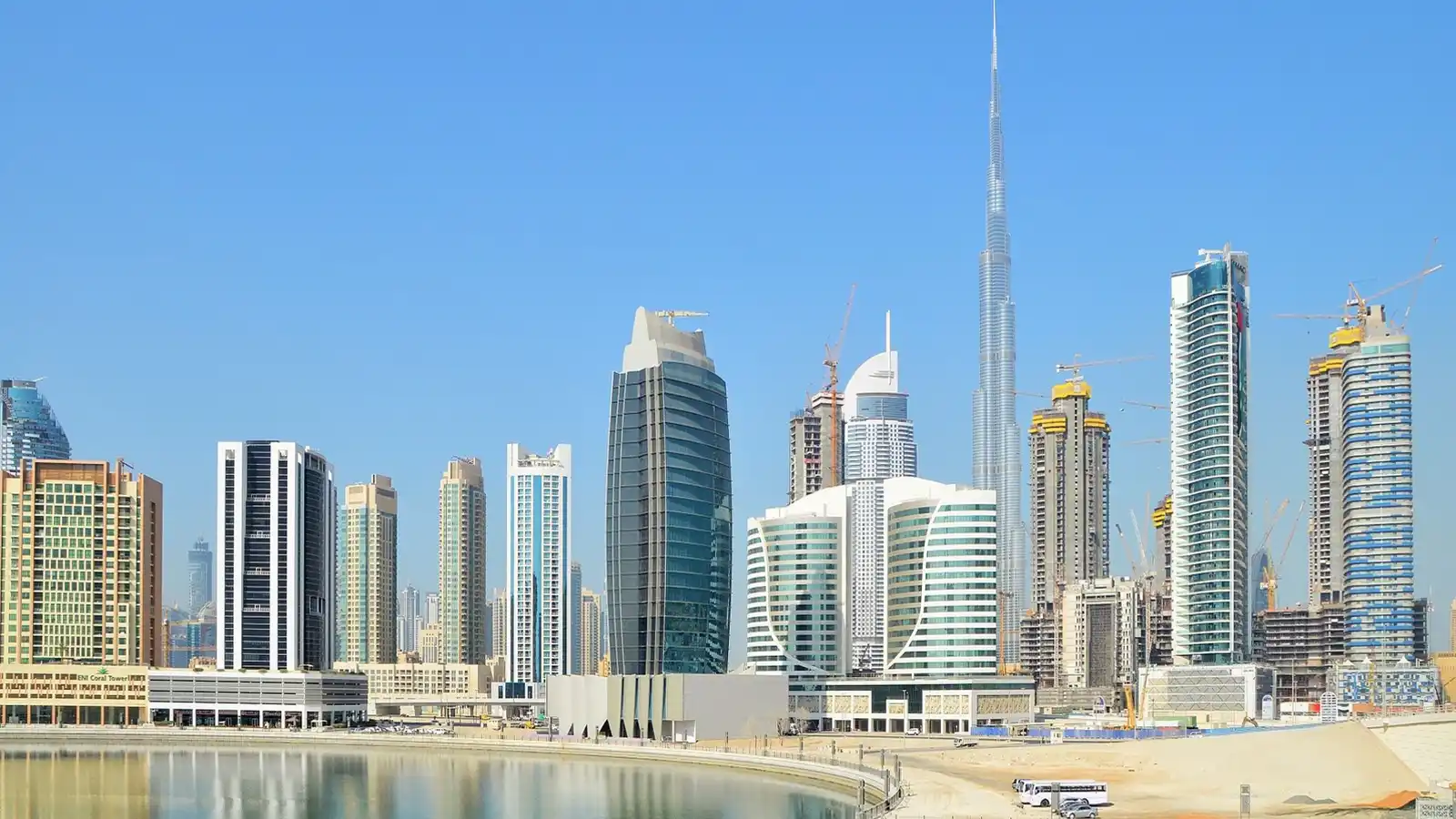
Securing a residence visa through property purchase in the UAE involves a comprehensive process:
Obtaining a residence visa by property ownership in the UAE is not automatic but involves meeting administrative requirements.
The process ensures compliance with the law and administrative protocols, allowing individuals to enjoy the benefits of living in Dubai.
Recent changes permitting multiple real estate units allow residents to explore various investment strategies, including living in one property while renting out others.
Engaging a reliable property management company can simplify the leasing experience and ensure hassle-free rental management.
In Dubai, buying property won’t automatically grant you residency; you must follow a separate procedure.
While acquiring a property worth AED 750,000 in Dubai allows you to obtain a residency visa, it’s important to note that this visa is valid for two years, requiring renewal every two years after that. Lifetime residency visas are not available in Dubai.
Additional visa options include the 10-year golden visa for investments exceeding AED 2 million and a 5-year retirement visa for investments of AED 1 million, applicable to individuals aged 55 or above.
To qualify for an investor visa through property investment, the minimum threshold is AED 750,000, and all properties involved must be ready with a title deed issued by the Dubai Land Department.
The purchased property must be ready to receive a residency visa and meet specific criteria, including freehold/leasehold status, residential/commercial type, and a purchase value of AED 750,000 or above. Off-plan properties, often falsely claimed to grant residency, do not qualify, as they need a title deed.
Joint ownership of property is possible for residency, with conditions. If jointly owned with a spouse and the total purchase value is AED 750,000, residency is attainable (with an attested marriage certificate).
However, for joint ownership with someone other than a spouse, an individual share of AED 750,000 or more is required for the Dubai property visa eligibility.
The property must be registered in your name to obtain residency based on property investment in Dubai.
If you purchase a property under your company’s name, you can secure a visa through the company, providing an alternative avenue for obtaining residency.
Numerous individuals have approached me with queries similar to yours, and the consistent response has been that the property must be directly in the investor’s name to qualify for residency.
Moreover, recent updates have brought changes to the rules regarding gifted properties. If the purchase price of a gifted property is AED 750,000 or above, as reflected in the records of the Dubai Land Department (DLD), you become eligible for an investor visa.
This adjustment opens up new possibilities for those receiving property as a gift, allowing them to leverage this investment for residency purposes.
These updates underscore the dynamic nature of Dubai’s regulations, emphasizing the importance of staying informed about the latest developments to maximize the potential benefits of property investments in the city.
In conclusion, obtaining residency in Dubai through property ownership is a long yet rewarding process. The city’s welcoming stance towards settlers and recent enhancements in visa terms have made real estate investment an appealing pathway to securing long-term residency.
From the flexibility in property combinations to expanding eligible property types, Dubai offers diverse options for those aspiring to buy a home in Dubai.
As Dubai continues to evolve, so do the opportunities for individuals to realize their dreams of residency through the gateway of real estate ownership.
 Top 5 Most Luxurious Villa Communities In Dubai
 How to Rent an Apartment in Dubai?
 Top Off-Plan Developers in Dubai Reigning the Market
 The Complete List of Freehold Areas in Dubai
 Top Real Estate Developers in Dubai 2024
Fill form below and our agent will contact you shortly

